

 Cat Lovers Community Team
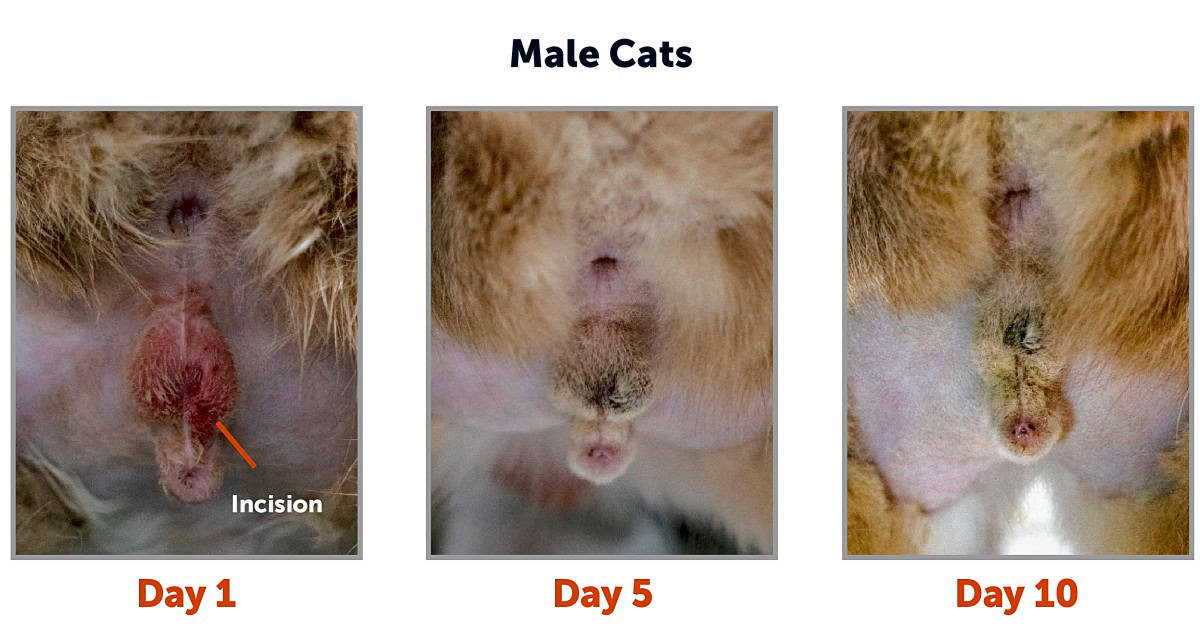
Neutering is an important procedure for your male cat to get in order to reduce stray kittens in your area and also preserve your cat’s health from reproductive-related disease. The absolute best way to help reduce the number of unwanted cats in shelters is by spaying or neutering your cat. Testosterone acts like a fuel source for territorial behavior and competition. It is important to check your cat’s incision site daily.
Studies have shown that cats often become less active after neutering, and their metabolism slows down, leading to weight gain if their food intake isn’t adjusted accordingly. Neutering will not make your cat lazy or fat as long as you provide your furry friend with a healthy diet and enough exercise. The first thing veterinarians will explain is that cats should be kept calm during the spay or neuter recovery time. There should be no sign of redness or oozing, and swelling should be minimal.

One of the most noticeable changes you might see after neutering your male cat is a decrease in aggression. This swelling is normal and should reduce throughout the recovery. When your cat is intact, this hormone drives him to establish dominance and chase off potential rivals. There are also a handful of misconceptions being spread about the behavioral effects neutering has on cats.
In some cases, males may appear as if they still have testicles. Without the hormonal drive to compete for mates or territory, neutered males are less likely to engage in fights, leading to a more peaceful coexistence with other cats. Male cats before being neutered usually exhibit undesirable behaviors, such as wandering from home, spraying, and being aggressive with their owners or other male cats. As previously stated, it is normal for cats to experience side effects such as lethargy, loss of appetite, nausea, and vomiting after being neutered, and you should contact your veterinarian if these symptoms do not resolve within 48 hours.

But there are other factors to consider, beyond population control, when choosing whether or not to get your male cat neutered. Neutering is a safe and common procedure for male cats that protects them from a range of health issues, prevents unwanted kittens, and even deters some undesirable behaviors.
What should a male cat look like after neutering?
Additionally, your cat may have difficulty urinating or defecating for the first day or two following the procedure. Some bleeding in the first 24 hours is normal, but if you notice bleeding after this time frame, contact your vet immediately. After your cat is neutered, it’s normal for them to experience side effects like lethargy, loss of appetite, nausea, and vomiting.
What should a healed neuter look like in a cat?
A healthy incision site will appear clean and pink immediately after the surgery, with both edges of the incision touching each other. These images show what a normal, routine incision should look like during the healing process and will help you check on your male cat’s progress. Signs of trouble include excessive drainage, such as dripping when your cat is standing, bleeding from the wound, or missing sutures. The edges of the wound will not be healed together and a slight gap between the edges is acceptable and to be expected.
Within the first few days following surgery, the edges of the incision will normally swell and become red. While slight serous oozing may be present postoperatively, there should be no active bleeding or discharge from the incision site when you arrive home.
What does a neutered cat make look like?
If you spot a stray cat with a triangular notch missing from his ear, that cat has been neutered, Check his ear for a missing.
References:
- Male Cat After Neutering—What to Expect | North Asheville Vet
- Male & Female Cats Before & After Neutering or Spaying | Male and Female Cat Behavior Changes After Spaying & Neutering


