Cat Lovers Community Team
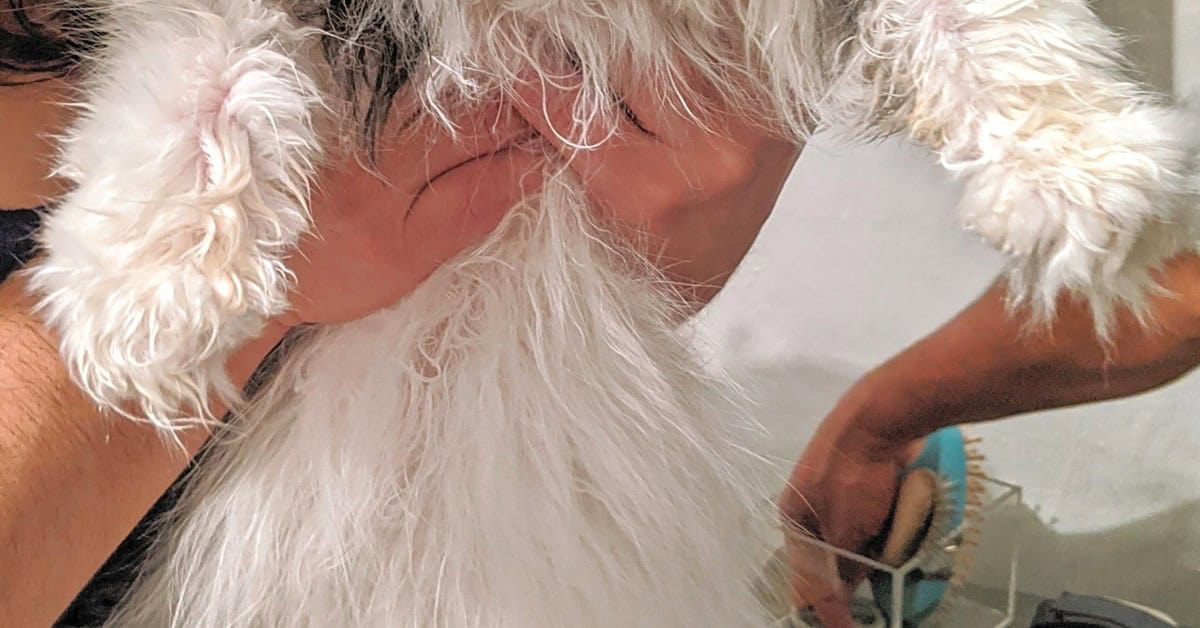
Bird lice are related to regular lice, and just as small – one to one and a half millimetres long, and half a millimetre across. Start by making grooming an extension of happy petting sessions, when he’s already relaxed and purring. While cats are natural grooming experts, long haired cats typically require extra assistance from a brush to help maintain their silky coats. Use a slicker brush or comb with long teeth to gently brush your cat’s fur.
Long hair in cats is also more likely to get matted around their paw pads, so frequently nail trimming is a must. Regular brushing is the keystone of long-haired cat grooming. Besides fleas, ticks and mites – which long haired cats are likely to pick up when they are out in the garden or if they come into contact with other outdoor cats (and these too can be a possible source of disease) – bird lice are a particular problem for long haired cats. Here it is not a case of six-legged wingless insects propagating in the cat’s fur.

Your cat’s skin is extremely thin and sensitive, and a mat can be deep-rooted in her fur, which makes it complicated to trim out. Daily brushing helps ward off mats and tangles, distributes natural oils, and strips off loose hair. If you don’t have experience with complicated grooming, take your cat to your local groomer and have him shave her instead of attempting it yourself. There are plenty of detangling serums for cats on the market so if you’re faced with a knot in your cat’s fur, go shopping at your local pet store and see what you can find.
Your cat likely won’t enjoy the detangling process, so offer treats, take your time, and get another person to help, if needed. Brushing helps remove dirt and dead hairs from your cats, and stimulates the skin. Fortunately, it’s not difficult to employ basic cat grooming methods to care for your pet as long as you regularly attend to her brushing and sanitary needs. Stress-related hair lossNew people in the house, a competitive situation with other cats, moving house – there are many different reasons why a cat feels so stressed that it starts to lose increasing amounts of fur.

Beginning the routine of brushing during a cat’s first few months of kittenhood can help create a positive associate related to the experience. A hygiene clip performed by your veterinarian can help keep the fur around your senior cat’s backside trimmed to help improve personal hygiene for those with limited mobility who cannot properly clean themselves. These unpleasant pests multiply rapidly, as the female can lay a fresh clutch of eggs in the fur every two or three days. In cats, bird lice feed not on blood but on scurf, gland secretions and hair.
If there is no other solution to keep your longhaired cat pain-free, she can help get you back on track. Brushing your cat can also help reduce hairballs and prevent excess fur from covering your furniture and clothing. Regularly combing and brushing your cat will prevent any mats or tangles from forming within their fur while also helping distribute natural oils throughout their coat for a shiny appearance. Start at the top layer and work your way down to the undercoat.
The first rule of grooming, whether at home or at a groomer, is to never hurt Loki. Be careful and refrain from tugging on any knots or twisted hair. Create a relaxing environment by grabbing a brush or comb and cuddling up on the couch together while you detangle your cat’s fur. While it’s easy to imagine a freshly shaved cat would be more comfortable in the warm and humid months, shaving off fur strips a cat of their natural defense to the summer sun.
Are long-haired cats harder to take care of?
Longhaired cats who live outside are even more prone to matting, which can be life threatening to them. Unlike some longhair breeds with relatively trouble-free fuzzy coats, like the Maine Coon, many of these thick-coated felines require more than just their grooming abilities to keep them mat-free. In fact, if your cat is a good groomer and you find their fur is unkempt, that can be a sign of illness.
How often should long-haired cats be bathed?
Hairless breeds such as the Sphynx will likely require weekly baths since the oily residue on their skin can be left behind on fabrics in your home. Obese or senior cats often aren’t able to groom themselves as efficiently, making regular baths a must. Hairless breeds, like the Sphynx, probably need about once a week bathing as they have an oily residue that gets on fabrics. Cats that are old or obese will often be unable to properly groom themselves and may benefit from more routine bathing.
For example, an arthritic or overweight cat that has difficulty grooming herself may need the occasional bath to remove loose hair and objectionable odors. Cats with long hair should be bathed every couple months or so in order to minimize the matting of their fur. If your cat has allergies, your veterinarian may prescribe frequent bathing as part of the treatment regime. Long-haired cats should be bathed every couple of months to reduce the risk of their fur becoming matted.
Do long-haired cats need haircuts?
And for cats that live in hot environments, “regular, full-coat grooming can prevent extra shedding hair from building up and trapping hot air next to the skin. Before you send your furball off to get those long locks shaped into a safari-style lion cut, Thomas warns that it might not be the best option for every aspiring wildcat. Adequate grooming also nurtures healthy skin and coats, prevents hairballs, and keeps your cat happy and comfortable. For this reason, elderly cats or cats with thin skin due to health conditions may not be the best candidates for shaving, she explains.
Cats with long hair require regular grooming to maintain their gorgeous fur and avoid matting and tangling. You’ve probably considered shaving your long-haired cat, especially if you live in a hotter climate.
References:
- The Ultimate Guide to Grooming Your Long-Haired Cat | Embassy Lakes Animal Hospital
- Tips for grooming long-haired cats | Blog