Cat Lovers Community Team
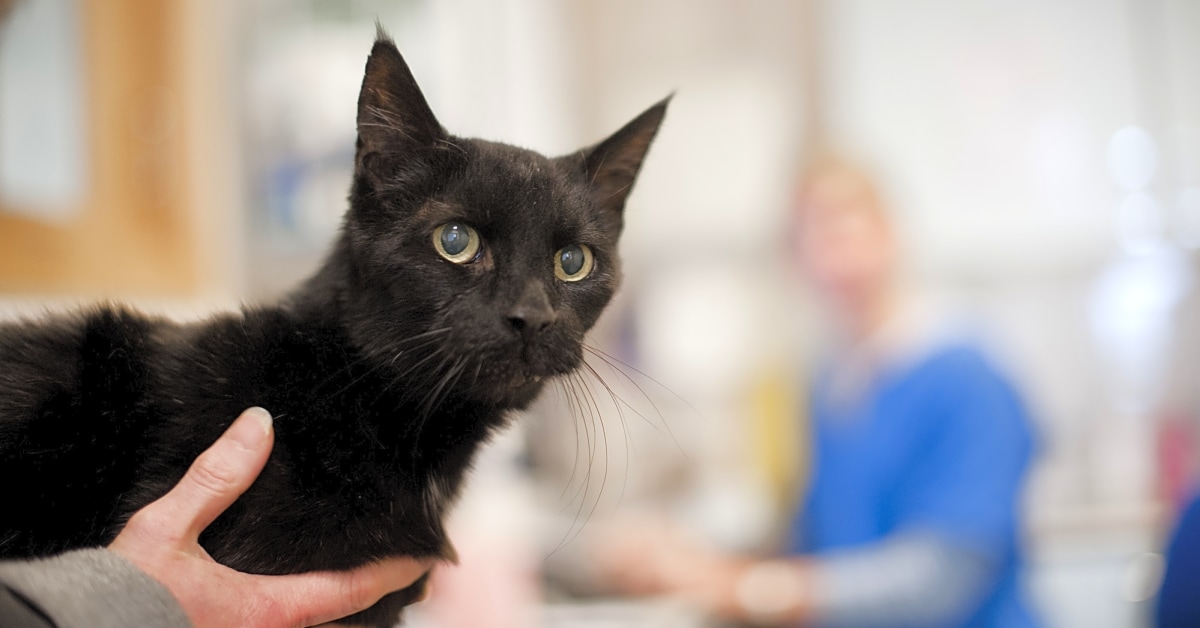
In the last years of her life, my cat Ethel lost her eyesight and her hearing. To find out whether your cat‘s deafness can be treated, it is best to speak to your vet. I relocated her to my cat hospital and turned Exam Room 1 into her own personal retirement suite. Whether you’ve decided to adopt a deaf cat from a rescue centre or are learning to cope with your cat’s diagnosis, there are plenty of ways to help make your feline friend’s life easier.
If she does, you need to make certain that she can’t get into trouble with her wandering. Putting catnip on a scratching post is a good way to encourage stretching and sharpening of the nails. Although their vision is important to them, cats have highly developed senses of smell and hearing, and they use these senses to navigate their environment. Your cat has apparently turned the spot under the coffee table into her little den, and you’re doing the right thing by placing her food bowl, water bowl and cat litter box very close by.

Your blind deaf cat will recognize the scent of their belongings. For cats, there are varying degrees of deafness and a range of different causes, which may or may not be treatable. Getting your pet microchipped is a great precaution, as these dogs and cats have even more of a chance of getting lost and hurt. The fact that your cat is also deaf is a real double-whammy.
I suspect she probably won’t wander too far from this safe area. Chronic ear infections that rupture the ear drum and spread to the middle and inner ear can also lead to deafness. Like humans, each cat is an individual and has individual needs. Making certain they live a comfortable life is a challenge.

For aging animals, cataracts, glaucoma, and degenerative nerve changes are usually seen in a pet’s changing behavior. By making a loud noise, the sound waves travel and are reflected back at them, picked up through their whiskers like a clever cat radar. You may want to consider obtaining a large playpen for her, and put her food bowl, water bowl, bed, toys and litterbox in the playpen. She was able to live comfortably, due to the great deal of attention I (and my hospital staff) gave her.
Access to stairs needs to be restricted so that she cannot tumble down them. Use a crate for your dog or cat’s safety when alone, and be sure to secure the door when they are going in and out so they won’t be scared of it closing on them. Teach them to find their favorite place by making a corner of their favorite room all their own. Give them a comfy bed and a bowl of water (placed against the wall out of tripping distance).
Blind cats can live a long and happy life, but they do need extra care. On occasion, place a tasty aromatic treat on the bed, which will encourage your cat to explore and look for the cozy space. For example, if there’s a kitty (or doggie) door, you’ll need to close it off so that she doesn’t wander outdoors. If you don’t use crates, create a way to let your dog or cat know when you are leaving the house to prevent any fear when they can’t find you.
These cats are not albino (which is a complete lack of pigment), as they do have color in the irises of their eyes, and they may have color in their skin or in part of their haircoat. Your cat will rely on her memory to navigate through your home, so do not rearrange furniture or leave items lying around that she might bump into, such as shoes or a pile of laundry.
How to take care of a blind and deaf cat?
What is the life expectancy of a deaf cat?
Generally this hearing loss is gradual and is often only noticed at advanced stages of deafness due to other senses (such as smell) adapting to cope. Hearing loss has also been genetically linked to specific breeds (particularly white cat with blue eyes) but this is usually evident from a young age. Follow your veterinarian’s instructions completely, including doses of medication and follow-up visits as required. In many cases, deafness will be permanent, even if the cat recovers well from the issues that caused it.
They could be born deaf (known as congenital deafness), or develop hearing loss during old age or after physical illness. They cannot hear traffic or honking automobile horns, so they need and deserve to live a protected indoor lifestyle. Flash the lights or use motion to get your pet’s attention when you enter a room to avoid startling them unnecessarily. Outdoor enclosures provide great environmental enrichment, and many cats can learn to walk on a harness and leash.
With a few adjustments to their living space and routine, deaf cats can still lead a very happy and healthy life. Typically, these cats show subtle behavior changes, like not coming when called or not noticing when you arrive home from work.
Can cats live blind and deaf?
Gilcrest recommends once a year, plus anytime a concern comes up, to ensure early treatment before health conditions lead to hearing or sight loss. If vision loss happens quickly, for instance with high blood pressure leading to retinal detachment, then the cat may bump into things when walking, they act like they are disoriented or confused, and they may vocalize more than normal. In the end, medical causes for cats losing their sight trauma, neurological problems, and high blood pressure are more common than genetic ones. Joffe adds, “if cats lose their vision slowly, for example from retinal degeneration, many people cannot even tell that the cat is blind as they adapt very well.
Owners might notice that their cats have “fully dilated pupils even in bright light; lack of menace reflex (not reacting or not blinking in response to a rapid movement of the hand toward the eyes); and the cat being careful not to cause air movement on the eyes that would cause a blink. So how can you tell that your cat has lost his or her vision? Signs of sight loss could include walking very carefully, bumping into things initially, and being less active, says Dr. Gilchrist suggests “a test can be done when the animal is sleeping with a metal saucepan and metal spoon rapping the pan in the cat’s proximity, loudly. Also, standing behind the cat and making a loud whistle or doing so with a referee’s whistle to note any response would be diagnostic as well.